Car Body Styles Explained: Sedan, Hatchback, Wagon, and More
Introduction: Car Body Style Is More Than Just Design
When choosing a car, many people focus on price, power, or features. However, car body style plays a crucial role in determining space, driving experience, energy efficiency, and real-world usability.
Different car body styles are not created simply for visual variety. Instead, they are the result of engineering decisions, user needs, and specific driving scenarios.
This article provides a complete overview of the most common car body styles on the market, explaining their design characteristics, core philosophies, advantages, and limitations.

1. Sedan: Balanced, Efficient, and Comfortable
Design Characteristics
Sedans typically use a three-box layout, separating the engine bay, passenger cabin, and trunk.
They feature a low roofline, smooth body curves, and a relatively low center of gravity.
Design Philosophy
Sedans are designed around efficiency, stability, and comfort, especially for urban and highway driving.
Advantages
- Low aerodynamic drag, resulting in better fuel or energy efficiency
- Stable handling at high speeds
- Lower manufacturing and maintenance costs
Disadvantages
- Limited cargo flexibility
- Lower ground clearance
Typical Use Cases: Daily commuting, family use, business travel

2. SUV: Versatility and Driving Confidence
Design Characteristics
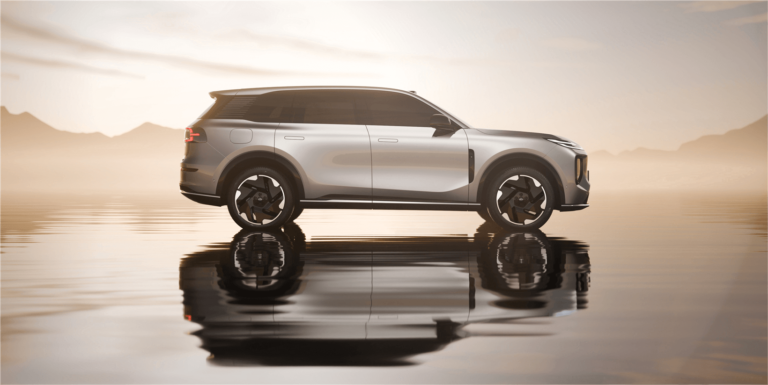
SUVs feature a taller body, higher seating position, pronounced wheel arches, and increased ground clearance.
Design Philosophy
The SUV focuses on multi-purpose usability, offering better road adaptability and a stronger sense of safety.
Advantages
- Elevated driving position with better visibility
- Flexible cargo space
- Better adaptability to uneven roads
Disadvantages
- Higher weight and aerodynamic drag
- Increased fuel or energy consumption
- Less agile handling compared to sedans
Typical Use Cases: Family travel, road trips, outdoor activities

3. MPV: Space Comes First
Design Characteristics
MPVs usually adopt a single-box or near single-box layout, with a tall roof and boxy side profile to maximize interior volume.
Design Philosophy
MPVs are built around passenger comfort and seating flexibility, prioritizing people over styling.
Advantages
- Excellent headroom and legroom
- Flexible seating configurations
- Easy entry and exit
Disadvantages
- Large body size makes city driving harder
- Higher drag and energy use
Typical Use Cases: Large families, business transport, group travel

4. Hatchback: Compact and Urban-Friendly
Design Characteristics
Hatchbacks use a two-box design, with a rear hatch connecting the trunk and cabin.
They are typically shorter and lighter than sedans.
Design Philosophy
The goal is to combine compact size with practical cargo access, ideal for city use.
Advantages
- Easy to park and maneuver
- More flexible cargo space than sedans
- Lightweight and responsive handling
Disadvantages
- Less cabin isolation from cargo
- Slightly reduced highway comfort
Typical Use Cases: Urban driving, young buyers, first-time car owners
5. Wagon (Estate Car): Driving Feel with Extra Space
Design Characteristics
Wagons extend the roofline and rear section of a sedan, creating a long, horizontal profile.
Design Philosophy
Wagons aim to retain sedan-like driving dynamics while increasing cargo capacity.
Advantages
- Low center of gravity and stable handling
- Large, practical cargo area
- Excellent highway comfort
Disadvantages
- Limited off-road capability
- Less popular in some markets
Typical Use Cases: Long-distance travel, outdoor lifestyle, driving enthusiasts

6. Crossover (CUV): Between Sedan and SUV
Design Characteristics
Crossovers are built on car platforms but incorporate SUV styling elements, such as higher ground clearance and protective cladding.
Design Philosophy
They balance urban comfort with SUV-like appearance and practicality.
Advantages
- More efficient than traditional SUVs
- Better visibility than sedans
Disadvantages
- Limited off-road ability
- Less interior space than full SUVs

7. Coupe and Sports Cars: Performance-Oriented Design
Design Characteristics
These vehicles are usually low, sleek, and aggressive, often with two doors and long doors.
Design Philosophy
Every design element serves aerodynamics, performance, and driving engagement.
Advantages
- Excellent handling and performance
- Distinctive, sporty appearance
Disadvantages
- Poor practicality
- Higher cost and maintenance

8. Coupe SUV (Fastback SUV)
Design Characteristics
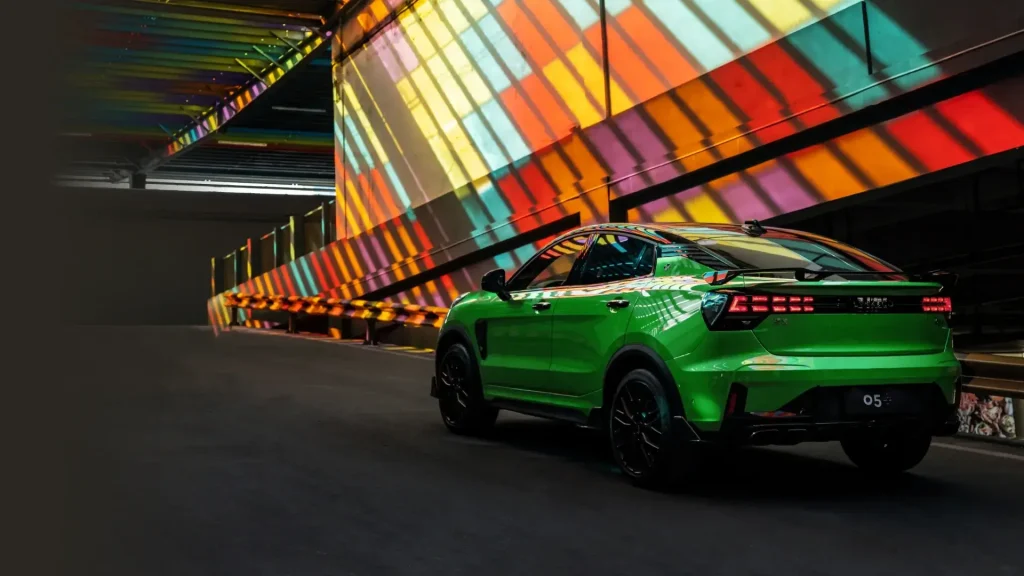
Coupe SUVs combine SUV height with a sloping roofline, creating a sporty fastback profile.
Design Philosophy
They trade some practicality for emotional design and visual impact.
Advantages
- Sporty and modern appearance
- More dynamic image than traditional SUVs
Disadvantages
- Reduced rear headroom
- Smaller cargo space

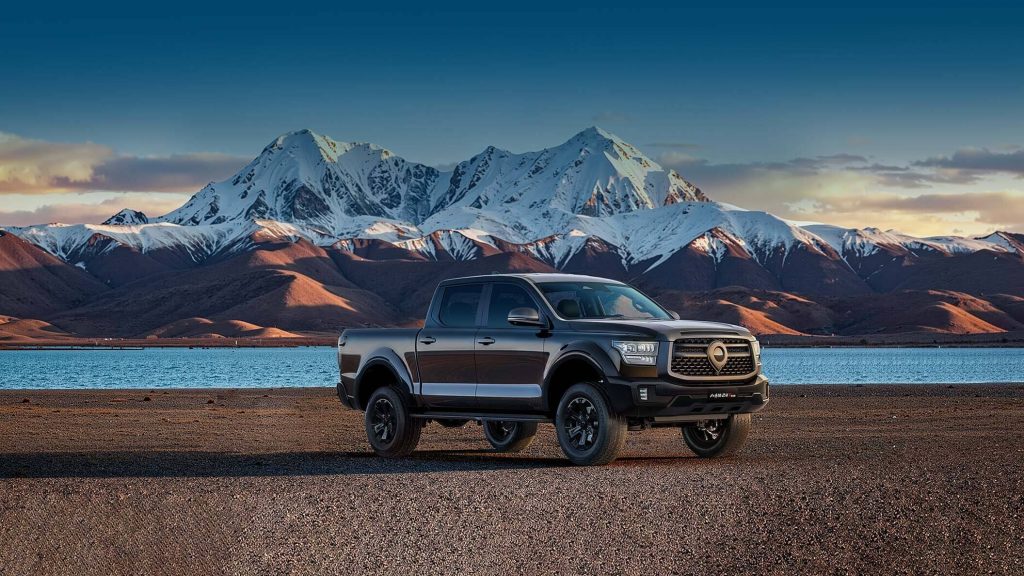
9. Pickup Truck
Design Characteristics
Pickup trucks feature a separate open cargo bed behind the passenger cabin.
Design Philosophy
Designed for utility, durability, and load-carrying capability.
Advantages
- Excellent payload capacity
- Strong off-road and work-site performance
Disadvantages
- Less comfortable for daily commuting
- Size and regulations limit urban use
10. Van
Design Characteristics
Vans use a tall, box-shaped body with sliding doors to maximize interior volume.
Design Philosophy
Function over form, focusing on cargo or passenger transport efficiency.
Advantages
- Maximum space utilization
- Ideal for logistics or group transport
Disadvantages
- Limited driving comfort
- Minimal design appeal

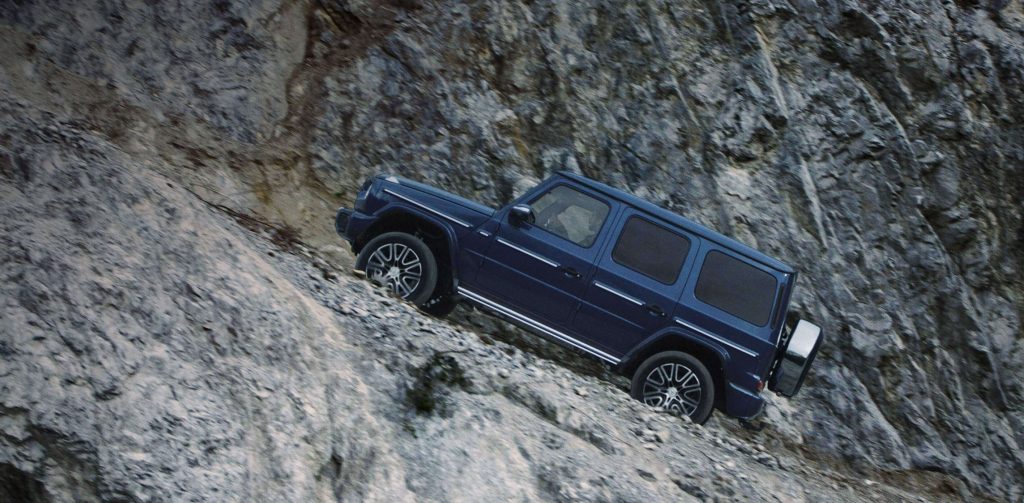
11. Off-Road SUV
Design Characteristics
These vehicles have boxy bodies, reinforced frames, and functional design elements.
Design Philosophy
Built for extreme terrain, durability, and mechanical strength.
Advantages
- Outstanding off-road capability
- High reliability in harsh conditions
Disadvantages
- Poor fuel efficiency
- Less suitable for daily urban use
Conclusion: There Is No Best Body Style—Only the Right One
Each car body style exists to serve specific driving needs and lifestyles.
Sedans emphasize efficiency, SUVs focus on versatility, MPVs prioritize people, and wagons balance space with driving pleasure.
Understanding the logic behind car body styles helps buyers make smarter, more practical decisions—beyond appearances alone.
If you have a need to buy China used cars, or if you run a car business, we’re here to help. As a leading exporter with over 30 years of experience, DDong Used Car offers a wide range of vehicle brands (100+), efficient logistics, and after-sales support.
Contact us today to learn more. Simply let us know what you’re looking for, and we’ll provide you with an unmatched sourcing experience. Explore our news section for more automotive insights and tips for running a successful dealership.